
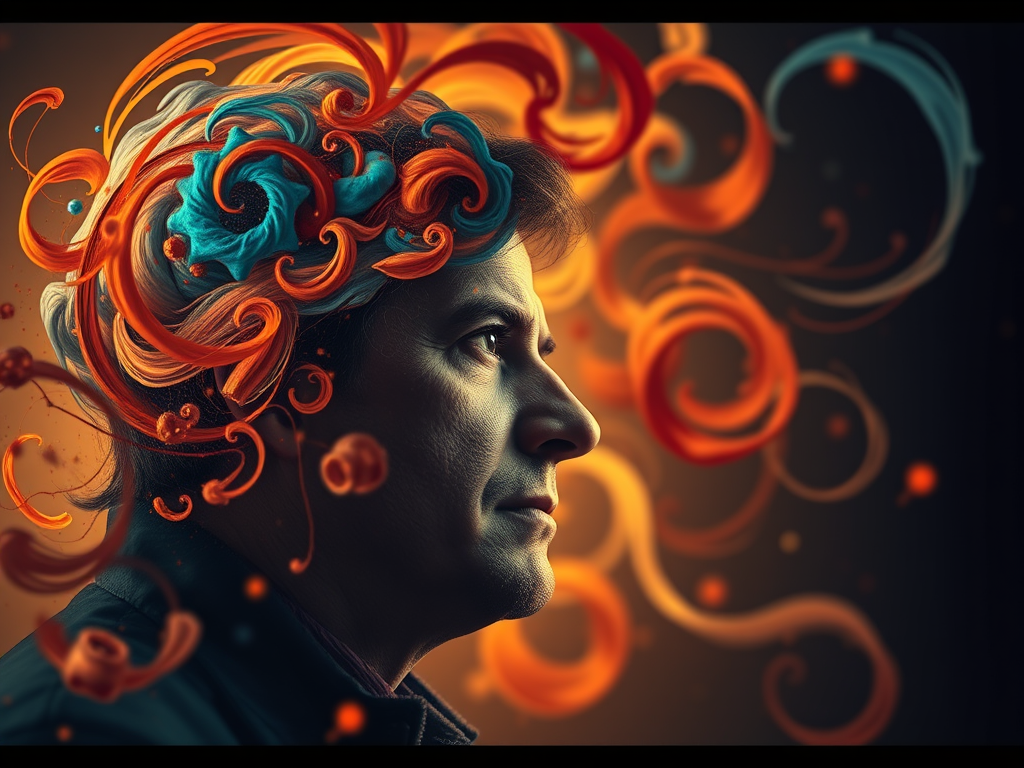
If you’re a psychology buff, it might interest you to know that chronic emotional dysregulation is said to “lie at the heart” of borderline personality disorder—which is widely recognized as one of the most difficult personality disorders to treat. It can be easy to assume emotional dysregulation only refers to so-called “negative” emotions, like anger or frustration, or to a person who is being “too emotional.” But that isn’t just an oversimplification—it’s incorrect.
Emotional dysregulation has to do with how our brains process, respond to, and recover from emotions. And the nuances here can be difficult to see. But appreciating them is critical, because, especially as a neurodivergent individual, understanding emotional dysregulation can help to reframe past experiences, reduce shame, and develop more effective coping strategies.
In an effort to dispel some myths and offer a comprehensive explanation, I want to use this executive function blog post as an opportunity to unpack what emotional dysregulation actually is, hopefully communicating that emotional regulation is not about suppressing emotions—it’s about appreciating how your unique brain is wired and developing internal supports that work with it, not against it.
The Link Between Executive Function and Emotions
To understand emotional dysregulation more clearly, we need to talk about a set of mental skills called executive functions—because when those skills are overwhelmed or underdeveloped, regulation gets much harder.
Emotional regulation, itself, is an executive function skill (a.k.a., one of the fundamental cognitive skills that allows us to navigate everyday situations and interactions successfully and appropriately). They aren’t innate and develop over time alongside our other EF skills, which include:
- Inhibitory control (stopping ourselves from reacting impulsively)
- Working memory (holding emotional context in mind)
- Cognitive flexibility (reframing or adjusting to change)
When our executive function systems are underdeveloped or overwhelmed, as is common in neurodevelopmental disorders like autism and ADHD, emotional dysregulation becomes increasingly likely to arise.
This brings us to one of the most miscommunicated and misunderstood aspects of human behavior—overwhelm and the resulting feedback systems on perceived “negative” or uncomfortable emotions.
As a result and without even realizing it, we often perpetuate the (harmful) idea that emotions that make ourselves and others uncomfortable are inherently inappropriate. This is absolutely not true, and it leads to shame and guilt, which only stand to make the emotional dysregulation worse and more persistent. So let’s backtrack a bit, beginning with some basic neurobiology and how it connects to the neurodivergent experience.
How Brain Handles (And Mishandles) Emotions During Emotional Dysregulation
Emotional regulation isn’t a mindset; it’s a neurobiological process involving multiple brain systems.
You might be familiar with some, but not others:
- Prefrontal Cortex (PFC): The brain’s control center that makes us capable of rational thought, making decisions, and controlling our impulses. It’s essential for pausing, reframing, and choosing appropriate responses. And when we get overwhelmed, it can get knocked offline.
- Amygdala: A more ancient and primitive part of our brains that acts as the brain’s alarm system, detecting threats and triggering fear, distress, and other emotional responses.
- Anterior Cingulate Cortex (ACC): An area that monitors for conflict and emotional discomfort. It also helps us adjust our behavior to changing circumstances.
- Insula: Helps tie physical sensations (like hunger, sleepiness, or tightness in the chest) to emotional experiences.
When we’re calm, cool, and collected, the prefrontal cortex is in control. But when we experience stress, especially if it’s sudden or sustained, the amygdala senses a potential threat to survival, sometimes leading it to override the PFC (a phenomenon known as amygdala hijacking).
In that moment, the brain prioritizes survival, not reason, and our emotional reactions can become exaggerated or misaligned with the actual situation—because parts of your brain begin responding as if there’s an immediate, mortal threat.
Neurodivergent individuals—including those with ADHD and autism—often have differences in how these systems activate and regulate, leading to more frequent or intense emotional responses. Here’s how:
- Neurodivergence is often accompanied by sensory processing challenges, which lower the capacity for how much environmental input a person can handle before becoming overwhelmed. This is just one reason why a neurodivergent individual might be more prone to emotional dysregulation.
- When overwhelm hits, it sets off a chain reaction in the (now activated) autonomic nervous system: adrenaline surges, breathing quickens, and the rational brain (PFC) temporarily goes offline while the survival brain takes over. This shift reduces executive functioning capacity, making it harder to regulate emotions.
- Since this threshold for overwhelm is often lower for neurodivergent folks, there is less time to observe or intervene before emotional hijacking occurs, resulting in fewer opportunities to reflect on emotional cues and spot patterns.
To make matters worse, parenting a child in these difficult moments can be incredibly challenging, and many of us grew up with adults who punished or shamed us during moments of dysregulation.
This isn’t necessarily because they were cruel, but because they themselves were dysregulated and lacked the internal tools to model emotional regulation under pressure. This pattern becomes internalized in childhood and continues echoing into adulthood, which only serves to compound the guilt and frustration—two major barriers to productive reflection and learning.
👩👧 Note for Parents with ADHD or Autism: Emotional dysregulation often intensifies under parenting stress. Meltdowns, tantrums, overstimulation can all drain executive functioning capacities. If you find yourself snapping more than you’d like, it’s not because you’re a “bad parent”—it’s because you’re human, and your regulation systems are overloaded. Building awareness is the first step toward compassion and lasting change.
Building Emotional Awareness Without the Shame
When our systems are already predisposed to emotional dysregulation, the extreme ups-and-downs can feel like tidal waves of emotions, perpetuating cycles of embarrassment, shame, and guilt, which in turn fuel anxiety, depression, and unhealthy thinking patterns.
🎯 Next up: 7 Subtle Signs of Emotional Dysregulation (and the EF Skills Behind Them)
We’ll explore real-world examples—like irritability that comes out of nowhere, difficulty calming down, and emotional overreactions—and how each links to specific executive function skills.
Want it in your inbox? Subscribe here for updates.
You can also access and print our FREE executive function resource to track emotional regulation with a daily log here.
References:
Friedman, N.P., Robbins, T.W. The role of prefrontal cortex in cognitive control and executive function. Neuropsychopharmacol. 47, 72–89 (2022). https://doi.org/10.1038/s41386-021-01132-0.
Uddin, L. Q., Nomi, J. S., Hébert-Seropian, B., Ghaziri, J., & Boucher, O. (2017). Structure and Function of the Human Insula. Journal of clinical neurophysiology : official publication of the American Electroencephalographic Society, 34(4), 300–306. https://doi.org/10.1097/WNP.0000000000000377.
“Emotion Dysregulation Facts.” Rogers Behavioral Health. https://rogersbh.org/resource/emotional-dysregulation-facts/.
“Executive Function.” Cleveland Clinic. https://my.clevelandclinic.org/health/articles/executive-function.
Leave a Reply