
Tag: neuroscience
-
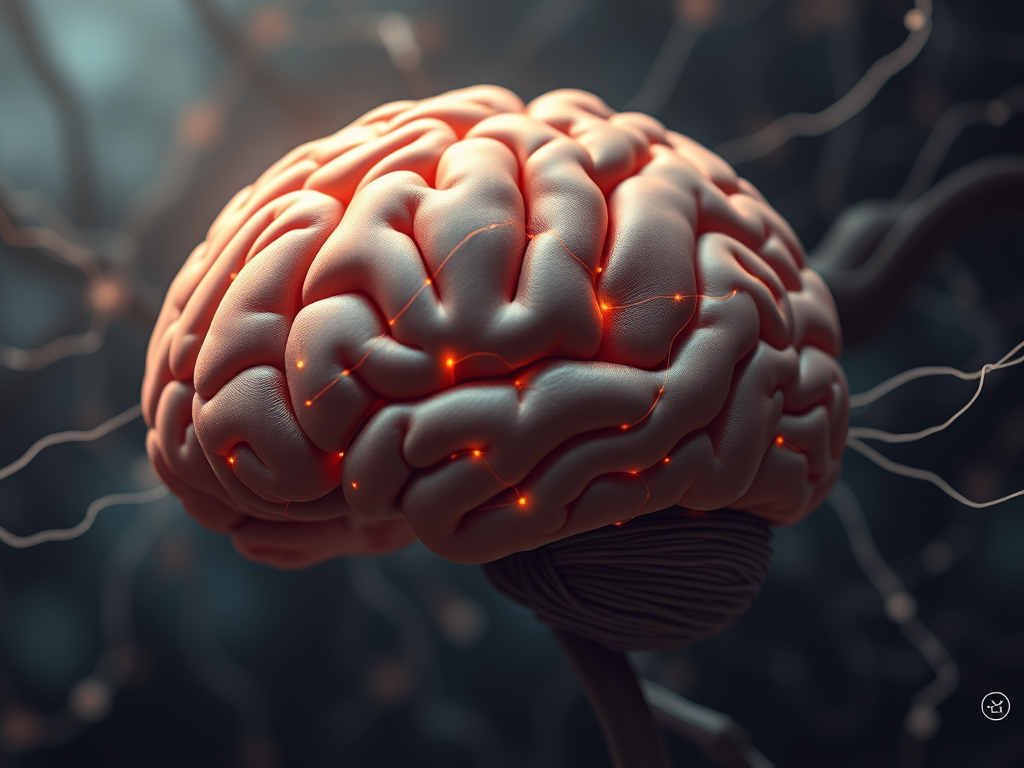
ADHD and Executive Function: A Neurobiological Perspective
ADHD (Attention-Deficit/Hyperactivity Disorder) is widely recognized in neuroscience as a condition rooted in executive function impairment. While often described in terms of attention or hyperactivity, at its core, ADHD and executive function involves difficulties with the brain’s self-regulation system—the network of skills that allows us to plan, prioritize, initiate, sustain, and adjust behavior. These executive…
-

How Autism Affects Executive Function: a Neurobiological Perspective
Executive function in autism is often disrupted due to differences in brain structure, chemistry, and connectivity. Executive function involves a set of cognitive processes that allow us to plan, focus attention, remember instructions, manage emotions, and juggle multiple tasks successfully. These skills are coordinated by the prefrontal cortex and its connections with other parts of…
-

Emotional Dysregulation in ADHD Adults: Executive Function, Neurobiology, and the Neurodivergent Experience
If you’re a psychology buff, it might interest you to know that chronic emotional dysregulation is said to “lie at the heart” of borderline personality disorder—which is widely recognized as one of the most difficult personality disorders to treat. It can be easy to assume emotional dysregulation only refers to so-called “negative” emotions, like anger…