
Tag: mindfulness
-

10 Practical Executive Function Strategies for Adults (That Actually Work)
Executive function skills are the brain’s management system, helping you plan ahead, prioritize tasks, regulate emotions, and follow through on commitments. For adults—especially those balancing work, home, and personal goals—strong executive functioning can be the difference between feeling in control and feeling constantly overwhelmed. The good news? Executive function skills in adults aren’t fixed. If…
-
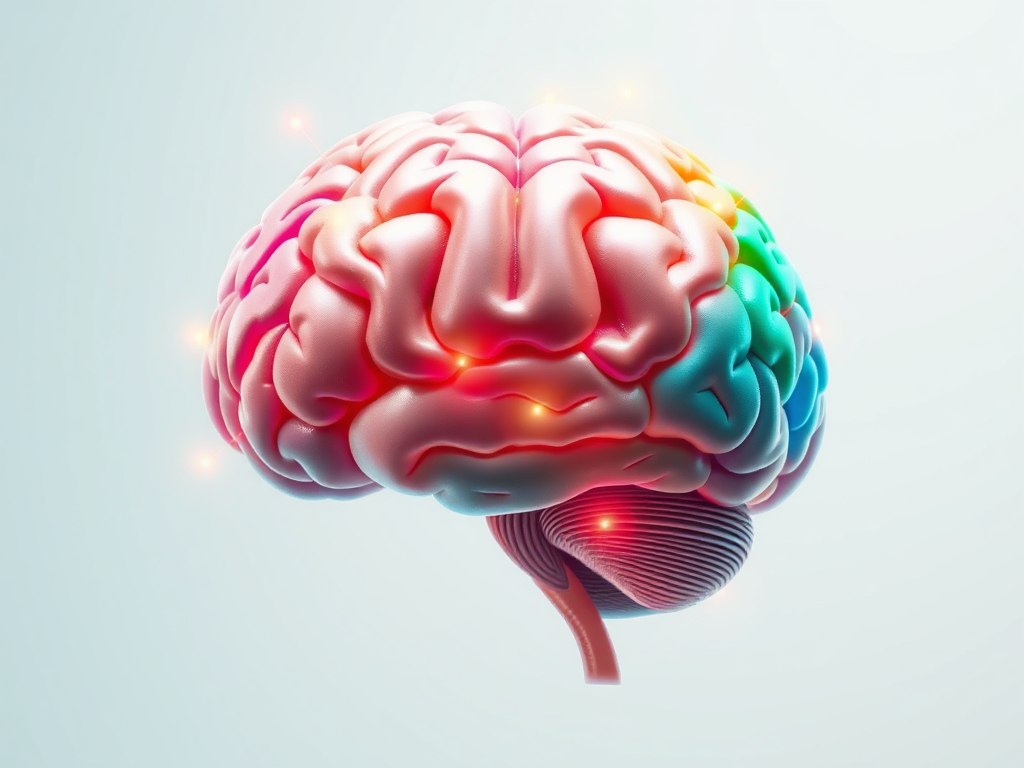
Mapping the Mind: The Executive Function Brain Regions
If you’ve ever wondered why starting a task feels like climbing a mountain—or why stress can make your memory evaporate—you’re not alone. Executive functions, the mental skills that help us plan, focus, and follow through, are powered by a network of brain regions that work like a team. But here’s the catch: when one “team…
-

How Stress Management Reduces Oxidative Load and Strengthens Executive Function
Ever feel like your brain just… sticks? The harder you try to focus, the more sluggish everything feels. That mental “rust” isn’t just in your head—it might be the effect of stress at the cellular level. When you’re under stress, your brain produces more reactive molecules called free radicals. Normally, your body balances these out…
-

Microglial Cells and Executive Function: Understanding the Hidden Connection
It’s time to start diving into the neurobiological factors (in this post, microglial cells) and executive function. Have you ever felt like your brain is running in slow motion—like you’re wading through mental fog and no amount of coffee can clear the haze? If you’ve struggled with focus, decision-making, or staying organized, you might assume…
-
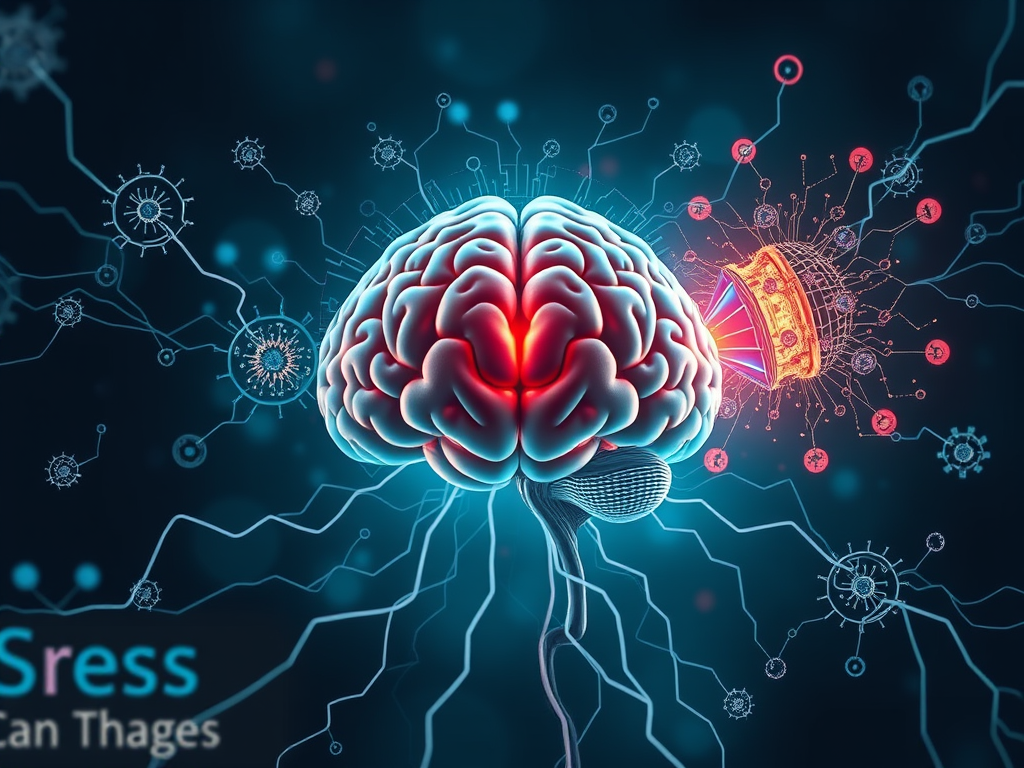
How Oxidative Stress Affects Executive Function
Oxidative stress can have a direct impact on executive functioning, which is especially relevant for neurodivergent brains (including ADHD and autism), because these conditions already involve differences in dopamine regulation, energy metabolism, and stress responses. If you’ve ever felt like your brain is running through molasses—struggling to focus, start tasks, or stay organized—you’re not alone.…
-

Identity Formation and Neurodivergence
We often talk about identity like it’s something you’re supposed to just know. As if, one day, it simply arrives—clear, consistent, fully formed. You’re expected to be able to answer questions like:“Who are you?”“What do you believe in?”“What do you want in life?”And answer them with confidence, stability, and certainty. But for many neurodivergent people,…
-

How to Highlight Past Strengths in the Midst of an Identity Spiral
You’re standing in the kitchen, or staring at your screen, and suddenly it hits you: “I don’t know who I am anymore.” Your accomplishments feel like someone else’s.Your confidence has gone quiet.Your mind spirals into shame, whispering, “Was I ever really capable?”“Have I just been pretending this whole time?” If this sounds familiar, you’re not…
-

How to Reframe Negative Self-Talk: A Neurodivergent-Friendly Guide to Inner Compassion
“I can’t believe I messed that up again.”“I should be better at this by now.”“What’s wrong with me?” These aren’t just passing thoughts. For many of us—especially neurodivergent folks—these become part of our inner soundtrack.They sneak in quietly, echo old wounds, and repeat often enough that they start to sound like truth. Negative self-talk is…
-

“Who Am I?”: Identity Spirals and the Neurodivergent Search for Self
“I keep thinking I’ve figured myself out… but then something happens, and I’m right back at zero.” If you’ve ever found yourself asking, “Who am I, really?”—not once, but over and over—you’re not broken.You’re just navigating a question that doesn’t have a single, final answer. For many neurodivergent people, identity isn’t something we find once…
-

Neurodivergent Identity Spirals: What They Are, Why They Happen, and How to Cope
“Who even am I? What do I want out of life?” If that thought has ever spiraled through your mind—especially after a tough day, a social misstep, or a major transition—you’re not alone. For many neurodivergent people, identity isn’t a solid structure. It’s a sea. Sometimes calm. Sometimes stormy. Always shifting. There’s a pattern that…