
Category: Neurobiology
-
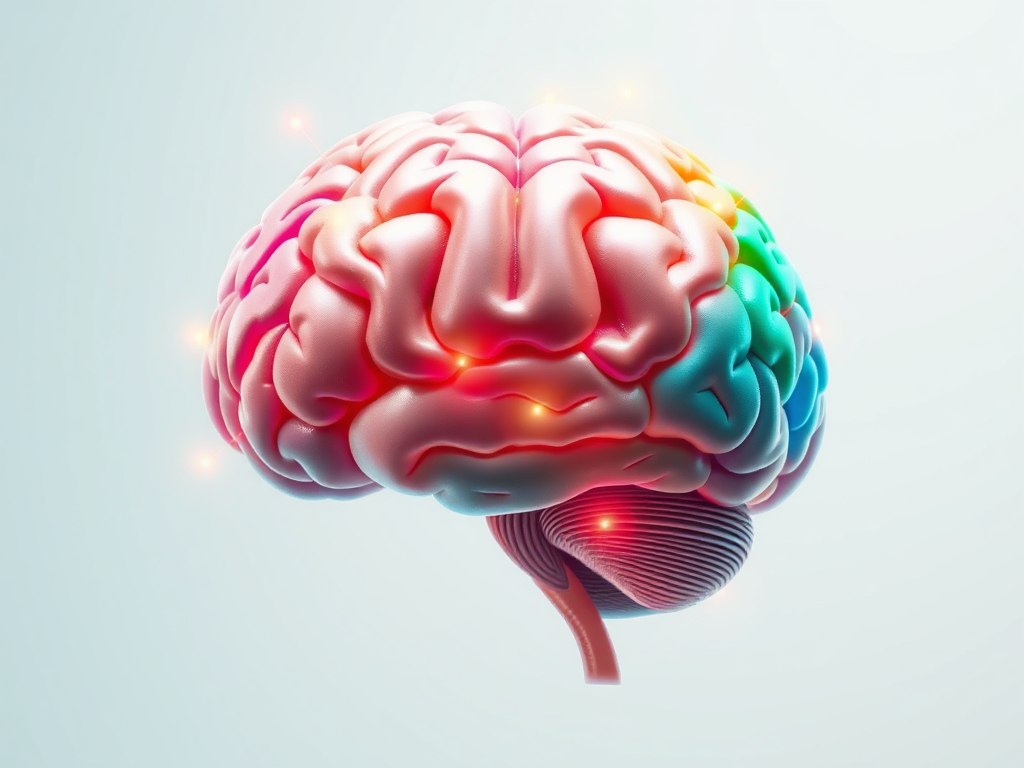
Mapping the Mind: The Executive Function Brain Regions
If you’ve ever wondered why starting a task feels like climbing a mountain—or why stress can make your memory evaporate—you’re not alone. Executive functions, the mental skills that help us plan, focus, and follow through, are powered by a network of brain regions that work like a team. But here’s the catch: when one “team…
-
How Stress Management Reduces Oxidative Load and Strengthens Executive Function
Ever feel like your brain just… sticks? The harder you try to focus, the more sluggish everything feels. That mental “rust” isn’t just in your head—it might be the effect of stress at the cellular level. When you’re under stress, your brain produces more reactive molecules called free radicals. Normally, your body balances these out…
-

Microglial Cells and Executive Function: Understanding the Hidden Connection
It’s time to start diving into the neurobiological factors (in this post, microglial cells) and executive function. Have you ever felt like your brain is running in slow motion—like you’re wading through mental fog and no amount of coffee can clear the haze? If you’ve struggled with focus, decision-making, or staying organized, you might assume…
-
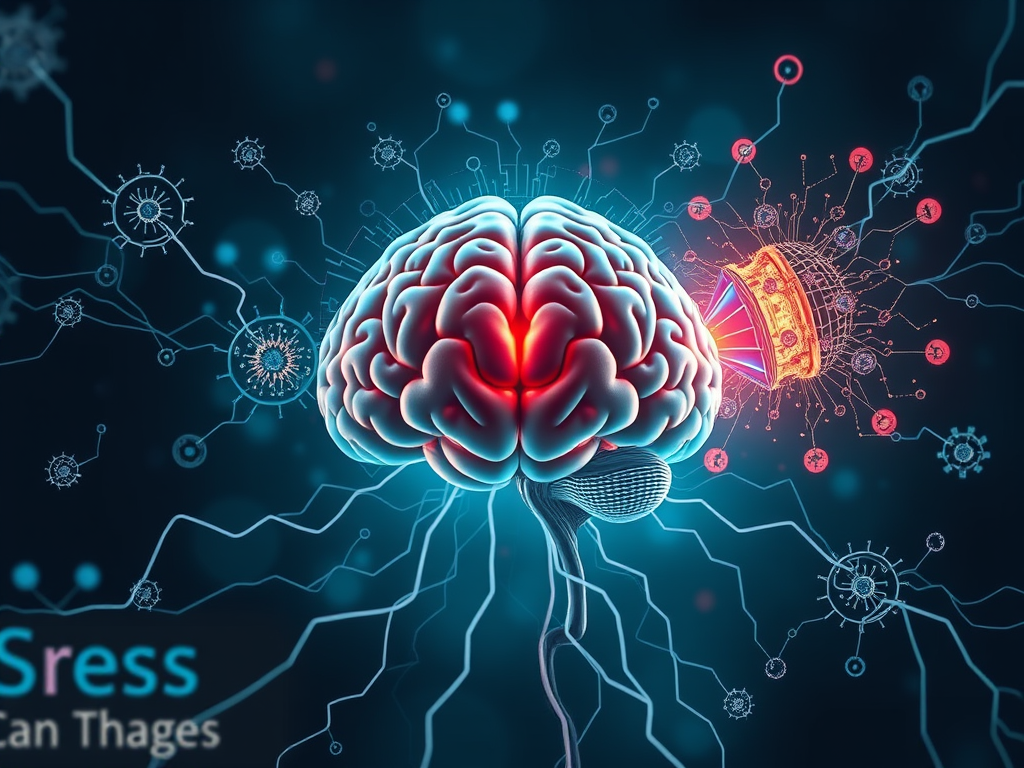
How Oxidative Stress Affects Executive Function
Oxidative stress can have a direct impact on executive functioning, which is especially relevant for neurodivergent brains (including ADHD and autism), because these conditions already involve differences in dopamine regulation, energy metabolism, and stress responses. If you’ve ever felt like your brain is running through molasses—struggling to focus, start tasks, or stay organized—you’re not alone.…
-

Identity Formation and Neurodivergence
We often talk about identity like it’s something you’re supposed to just know. As if, one day, it simply arrives—clear, consistent, fully formed. You’re expected to be able to answer questions like:“Who are you?”“What do you believe in?”“What do you want in life?”And answer them with confidence, stability, and certainty. But for many neurodivergent people,…
-

What Is Alexithymia? Understanding Emotional Blind Spots
Have you ever felt something intense—tightness in your chest, a lump in your throat, a restless kind of tension—but couldn’t name what it was? Maybe someone asked, “What’s wrong?” and you genuinely didn’t know how to answer. Not because nothing was wrong—but because the words just weren’t there. If that sounds familiar, you’re not alone.…
-

A Beginner-Friendly Glossary for Understanding Neurodivergence and Executive Function
—
in Accountability, Blog, Cognitive Flexibility, Emotional Regulation, Environment and Sensory, Executive Function Coaching, Identity and Self Concept, Motivation & Reward, Neurobiology, Strategies and Supports, Student Resources, Task Management, Teacher Resources, Teen Resources, Time Management, Transition, Working MemoryWhen you first start learning about executive function or neurodivergence, it can feel like stepping into a conversation mid-sentence. Words are used like everyone already knows what they mean. Concepts like task initiation, masking, or emotional regulation are mentioned without explanation. And terms like neurodivergent, working memory, or identity spiral might sound familiar—but foggy. That’s…
-

The Neurotype: Your Brain Has a Pattern—And That Pattern Has a Name
Have you ever wondered why certain environments feel overwhelming… while others spark your creativity? Why some tasks take all your energy to begin, while others light you up instantly? Or why your emotional world seems deeper—or more chaotic—than those around you? These patterns aren’t random. They’re part of your neurotype. A neurotype is your brain’s…
-

The Double Empathy Problem: Why Communication Breaks Down Between Neurotypes
The Double Empathy Problem is a term coined by autistic scholar Dr. Damian Milton in 2012. It challenges the long-held belief that autistic people inherently lack empathy or social skills. Instead, it proposes that communication struggles between autistic and non-autistic individuals are mutual. This means that when people with different ways of experiencing and interpreting…
-

Unmasking: Reclaiming Your Authentic Self—At Your Own Pace
If you’ve ever asked yourself, “Who am I when I’m not trying to be what others expect?”—you’re already on the path of unmasking. Unmasking shouldn’t be a single moment of revelation—that’s what happened to me and it was AWFUL. Instead, I think it should be more of a slow, nonlinear, deeply personal process of reconnecting…